Architecture in Residuum
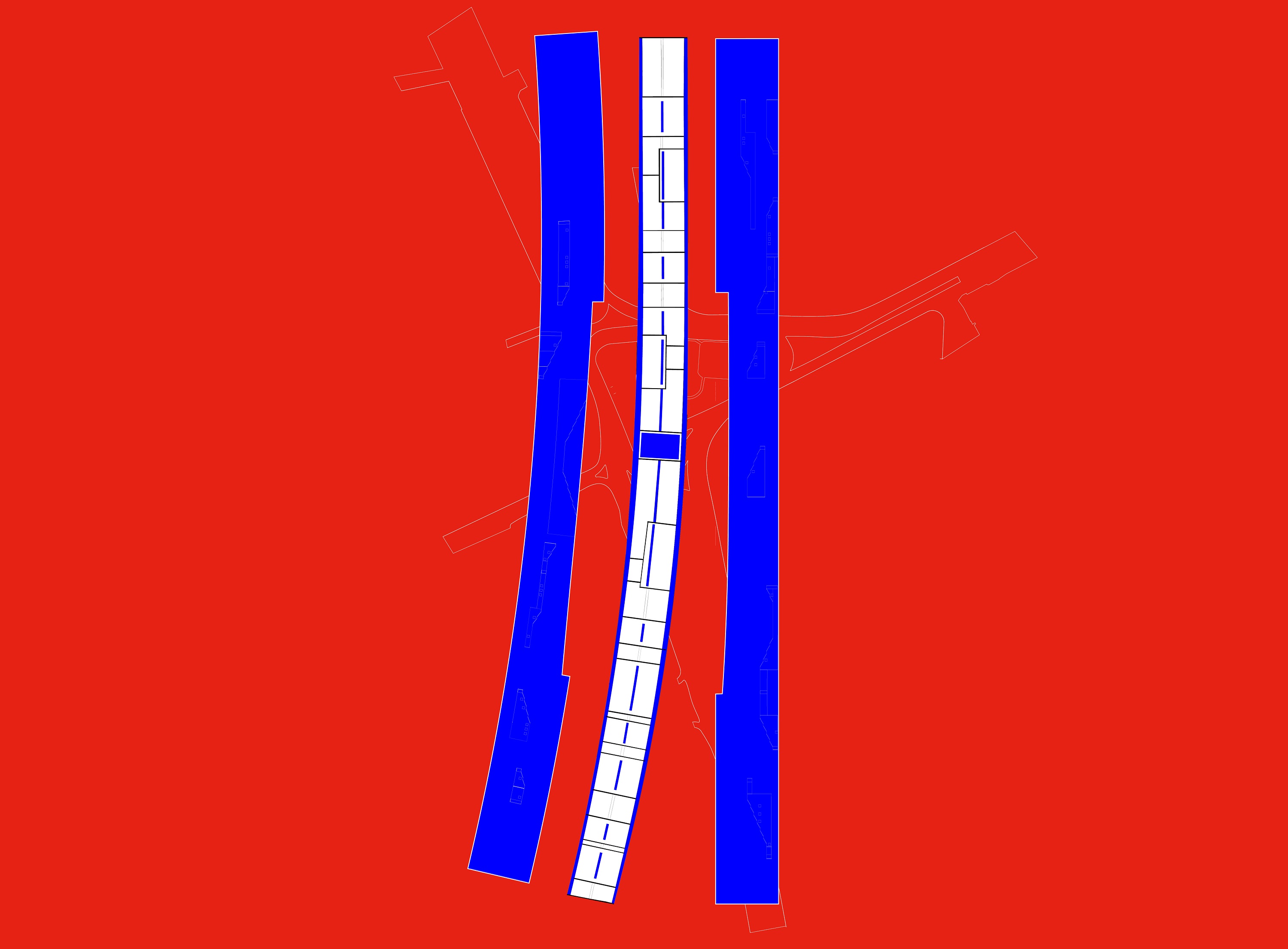
Highways, in urban or suburban contexts, can be viewed through the lens of residuum. They prioritize efficiency and performance at the cost of losing human experience, cultural richness, and environmental sustainability. The repetitive nature of highways, with standard design elements and a lack of unique identity, can also be seen in the city of Shiraz. Therefore, from our point of view, the residuum is not only the remaining space under the highway/bridge, it is all the space that the construction of the bridge took from the city.
Shiraz and the Culture of "Patogh"
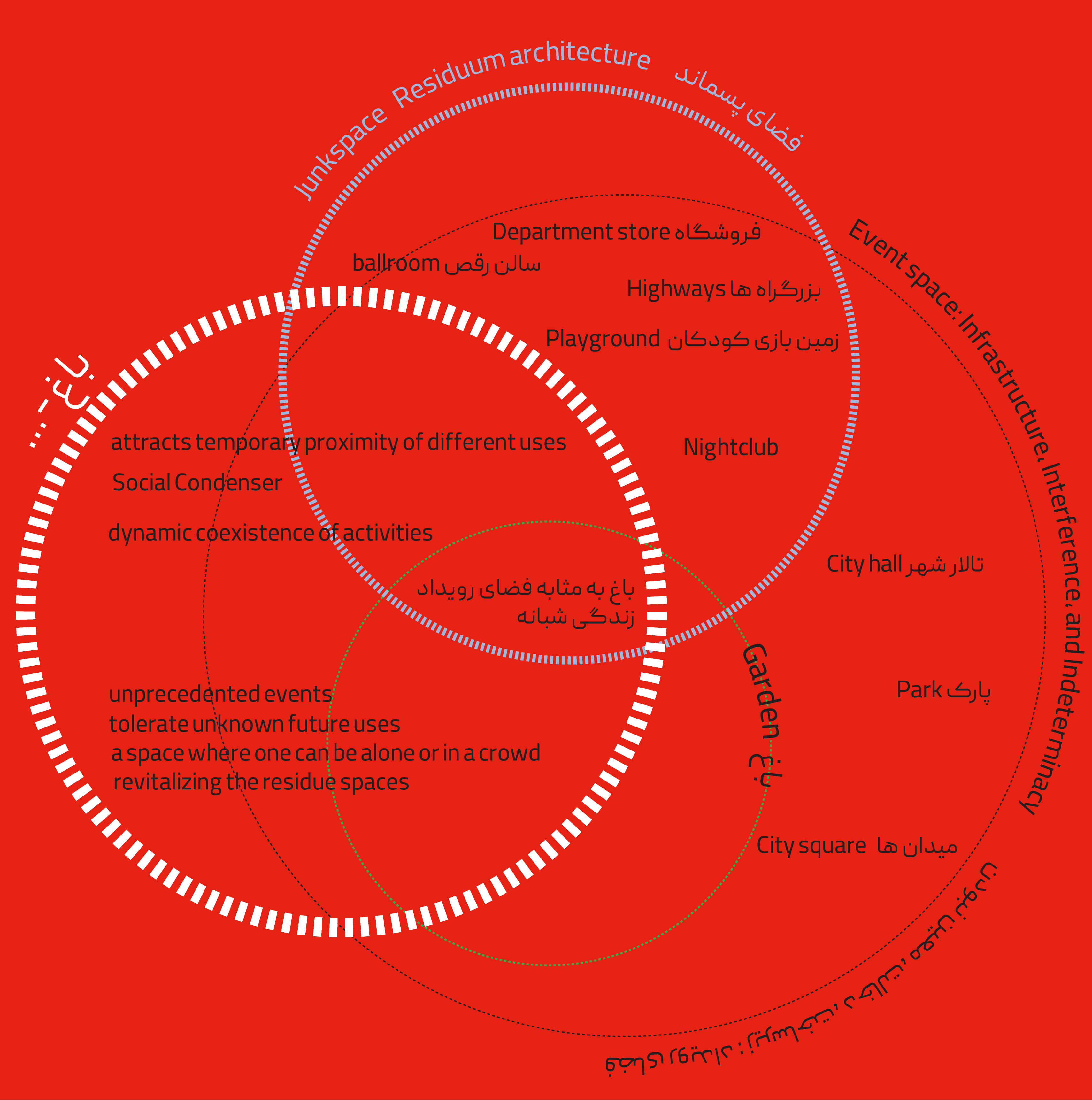
Shiraz is rich in terms of having historical spaces, and public spaces such as malls, commercial complexes, hotels, etc. By interviewing a couple of friends from Shiraz, we came across the culture of “Patogh“, a popular and active culture, which through non-fixed and temporary location and content has kept on surviving through the years. Every time the government has identified it, people have changed it organically. Among the “Patogh”s of Shiraz, the gardens of Qasr al-Dasht, which have been widely destroyed due to the expansion of the city, have turned into hybrid creatures and while being a garden, they’ve become an event space, such as a café-garden, atelier-garden, Massage-garden, etc.
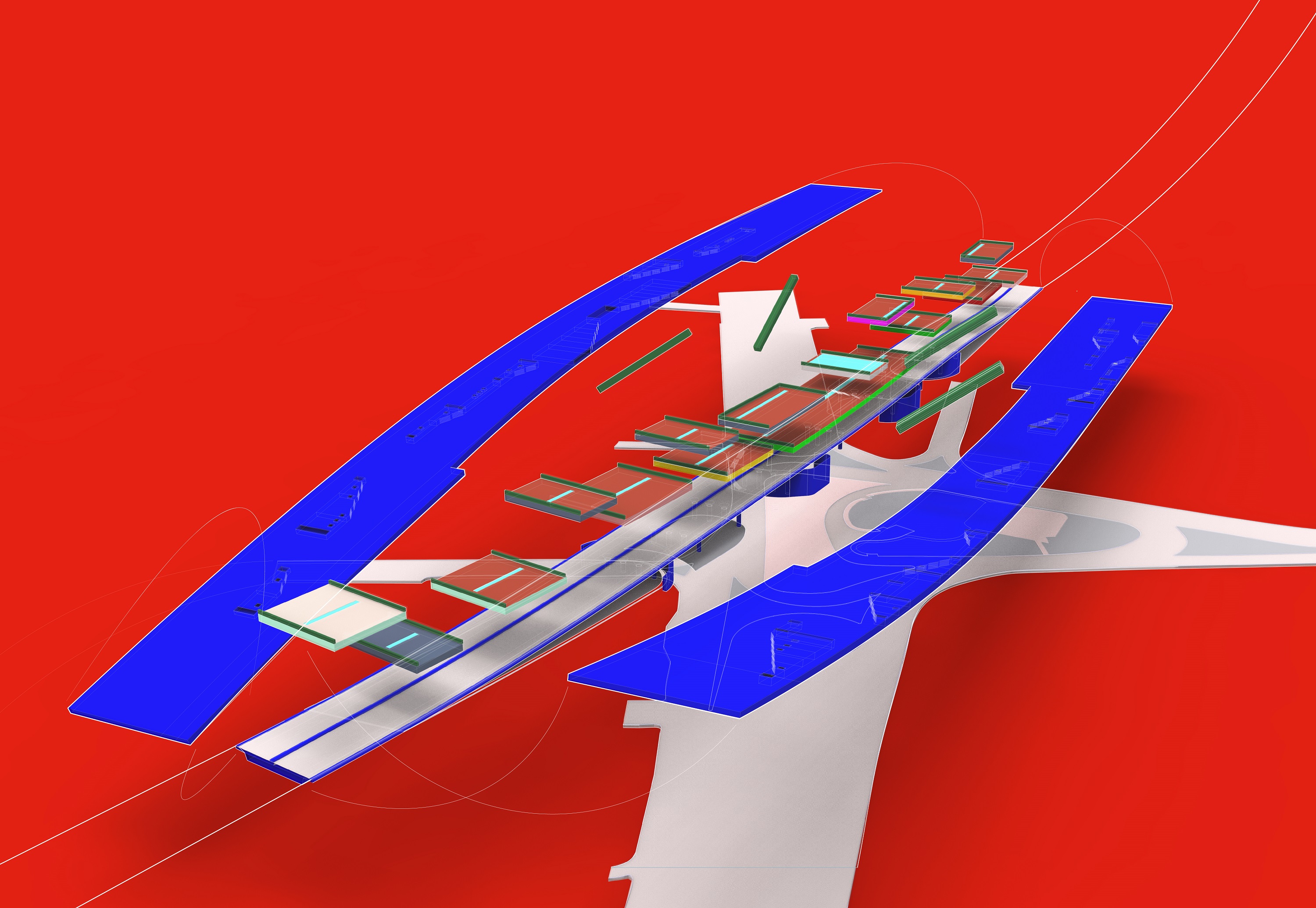
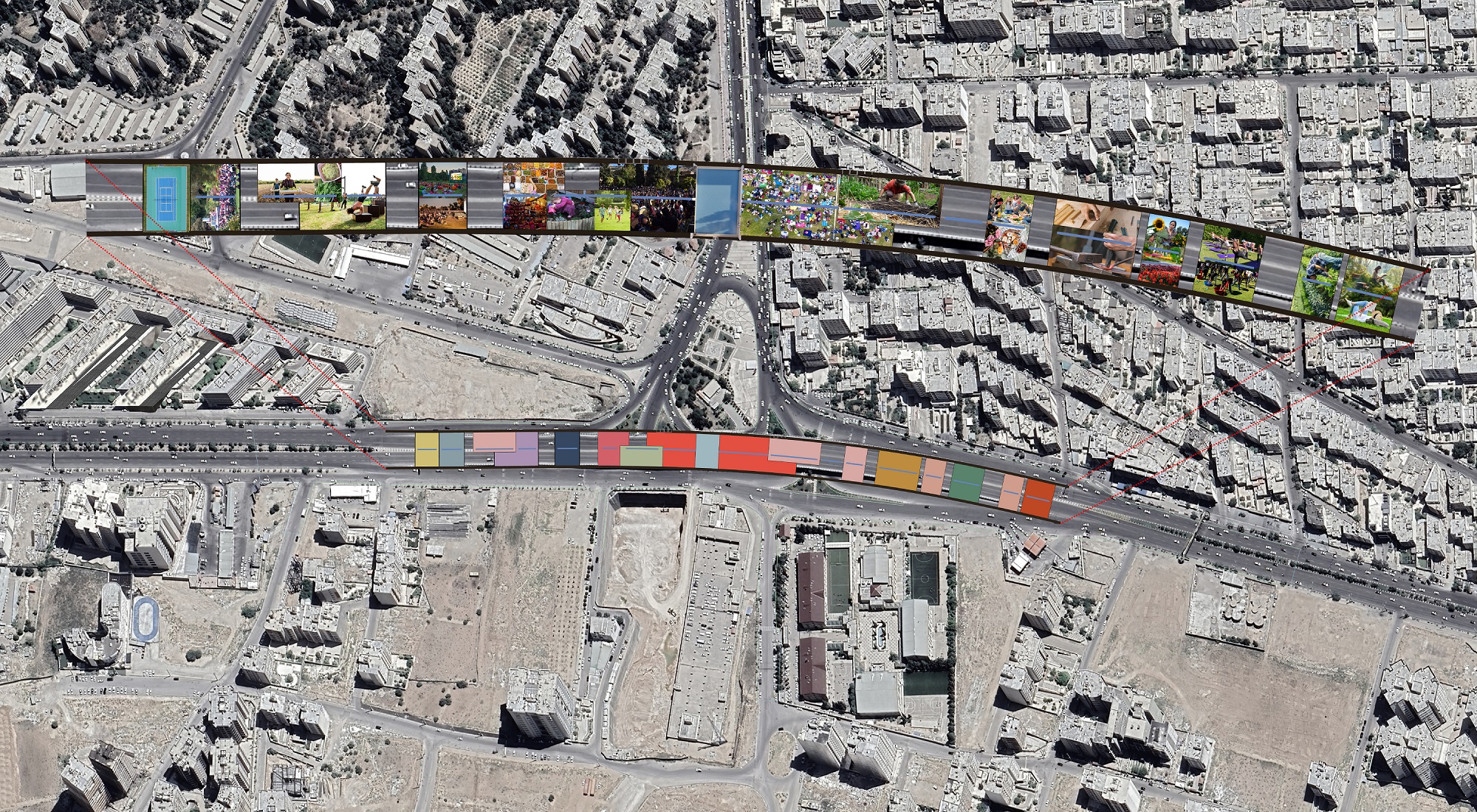
Therefore, we decided to turn the residuum created by the construction of the highway into an event space that belongs to Shiraz, A Garden. We tried to produce an anti-building in the form of gardens that host different programs and can suspend the program and event within themselves before being blocked and closed and survive in critical conditions just as a garden.
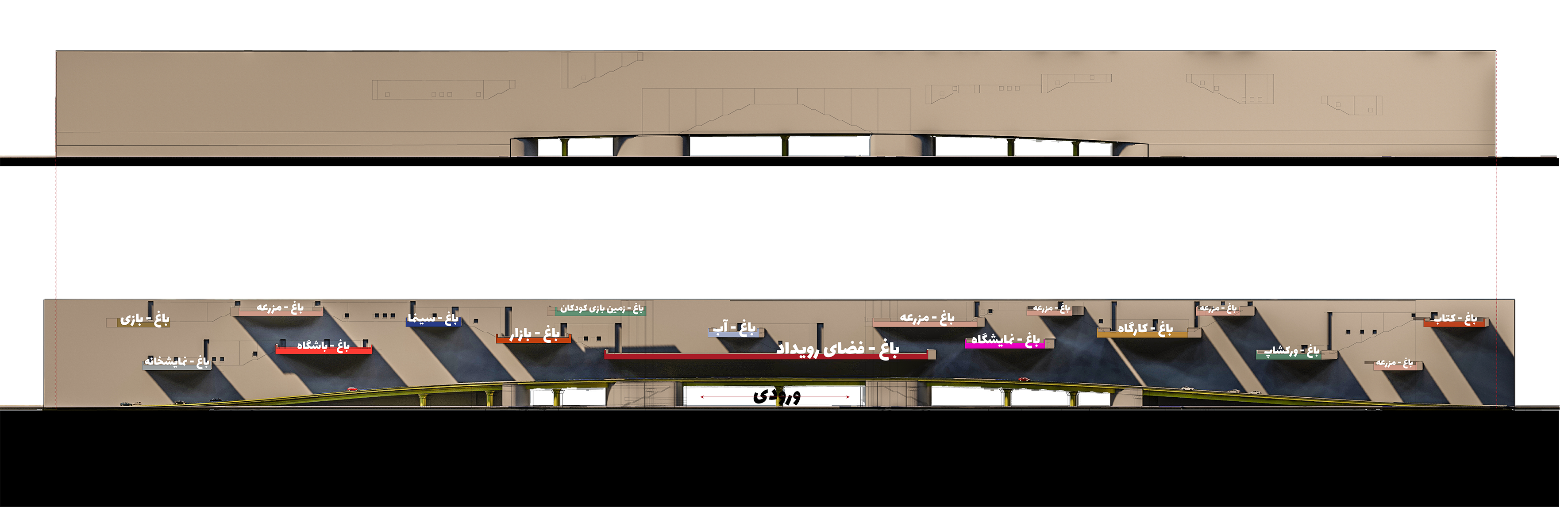
بزرگراهها، به ویژه در بافتهای شهری یا حومه شهر، میتوانند از دریچه فضای پسماند بررسی شوند. آن ها کارایی و عملکرد را به قیمت از دست دادن تجربه انسانی، غنای فرهنگی و پایداری محیطی در اولویت قرار میدهند. ماهیت تکراری بزرگراه ها، با عناصر طراحی استاندارد و عدم هویت منحصر به فرد، در شهر شیراز هم دیده میشود. بنابراین از نظر ما فضای پسماند فقط فضای باقیمانده ی زیر پل نیست، تمام فضایی ست که احداث پل از شهر گرفته است. شیراز به لحاظ داشتن فضاهای تاریخی غنی است و فضاهای عمومی اعم از مال ها،مجتمع های تجاری و هتل ها و ... در سراسر شیراز به قدر کفایت وجود دارند. ولی بعد از مصاحبه با چند دوست شیرازی، "فرهنگ پاتوق" در شیراز برای ما جالب شد چرا که فرهنگی پرطرفدار و فعال است که به دلیل موقت و متغیر بودن مکان و محتوایش هر زمان که نظام قدرت در جهت شناسایی و انهلال آن برآمده ، مکان و گاها فعالیت جدیدی میان مردم قرارداد می شود. در میان پاتوق های شیراز، باغ های قصرالدشت که به دلیل گسترش شهر بیش از نیمی از آن ها از بین رفته اند ،جذابیتی دوچندان داشتند چراکه به مرور زمان به موجوداتی هیبریدی تبدیل شده بودند که ضمن باغ بودن، به بستری برای اتفاقات دیگر تبدیل شده اند مانند باغ-کافه، باغ- آتلیه، باغ- ماساژ و .... ما تصمیم گرفتیم فضای پسماند به وجود آمده به واسطه ساخت بزرگراه را به فضای رویدادی از جنس شیراز یعنی باغ تبدیل کنیم؛ ضد ساختمانی که با حفظ باغ بودن خود، پذیرای برنامه های مختلف است و این قابلیت را دارد که قبل از مسدود و بسته شدن، با تعلیق رویداد درون خود و صرفا باغ بودن در شرایط حساس، بقا پیدا کند.